
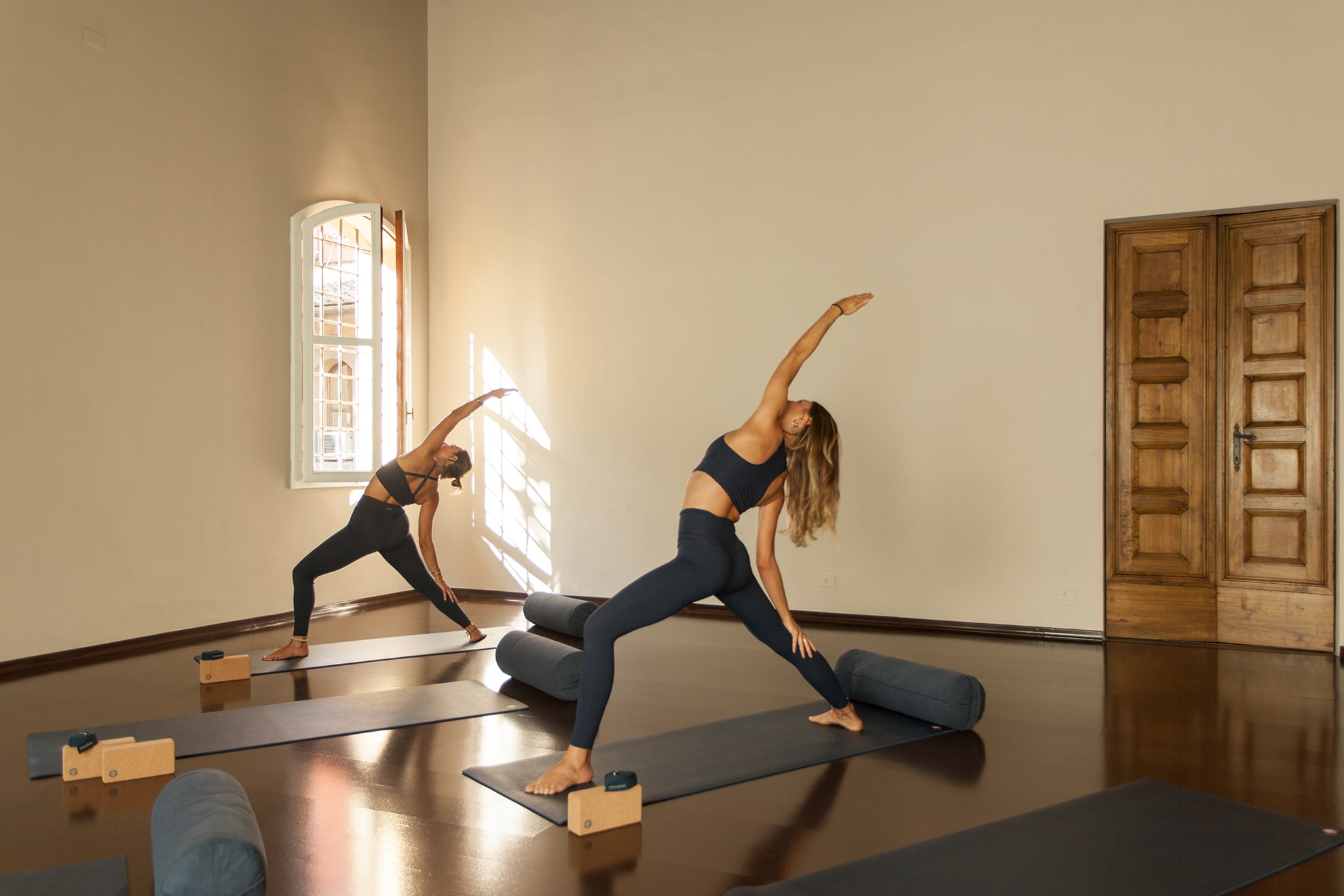
A yoga posture is not a fixed dose. Stance length, range, leverage, support, hold time and transition speed all change how much work the body performs. Two people can practise a pose with a similar outline while experiencing very different muscular and joint demands.
Well-structured private yoga classes singapore programmes can adjust these variables around one practitioner’s current capacity. Personalisation should involve more than selecting easier or harder poses. It requires a clear goal, an appropriate starting point and a progression process that changes one meaningful demand at a time.
Load Exists Even Without External Weights
Body weight, gravity and leverage create load during yoga. A plank places demand through the wrists and shoulders, while a bent-knee standing posture increases work for the legs.
Moving a limb farther from the body or reducing contact with the floor can make an exercise harder without adding equipment. Understanding these variables allows the instructor to progress strength while preserving the movement’s purpose.
Personalisation Begins with the Goal
A practitioner seeking better balance needs a different plan from someone rebuilding confidence after a long break. General goals such as “become flexible” are difficult to programme.
A private instructor can clarify whether the priority is controlled range, strength endurance, floor mobility, breathing, sport support or a return to regular exercise. The goal may then be translated into observable tasks.
The Starting Point Should Be Repeatable
Assessment does not require pushing every joint to its limit. Simple movements performed comfortably can reveal balance, range, control and response to instruction.
The starting variation should be repeatable without severe soreness or prolonged fatigue. A programme built around a maximum first session may measure tolerance for testing rather than everyday capacity.
Range Changes Load
Deeper is not always harder, and it is not always better. Increasing knee bend in a lunge can raise leg demand, while greater spinal range may shift pressure without improving muscular control.
Progression should consider whether the practitioner owns the new range. They should be able to breathe, stabilise and exit rather than depend on momentum or passive support.
Leverage Provides Small Progression Steps
Arm and leg position can change an exercise substantially. A bent-knee leg lift has a shorter lever than a straight-leg version, and hands on a wall create less upper-body load than hands on the floor.
These variations provide useful steps between basic and advanced forms. The practitioner does not need to jump directly from supported work to a demanding final posture.
Support Can Improve Training Quality
Blocks, straps, walls and chairs reduce uncertainty and make contact points clearer. They are not limited to beginners.
Support may allow the target muscles to work more effectively because the practitioner is no longer fighting for balance. It can later be reduced gradually if that serves the goal.
Hold Time Is a Load Variable
Remaining in a posture increases time under tension. A moderate shape held for several controlled breaths may create more useful strength work than a deeper pose held briefly with poor control.
Duration should increase only while breathing and alignment remain reliable. Reaching complete muscular failure is not necessary for progress.
Tempo Changes the Challenge
Slower transitions reduce momentum and increase muscular control. They can make familiar movements harder without increasing range.
Faster sequences may add coordination and cardiovascular demand, but speed should not be introduced before the practitioner understands the pathway. Tempo is chosen according to purpose.
Frequency Must Fit Recovery
More sessions create more practice but also more load. A programme should consider strength training, running, work stress, sleep and other commitments.
Private instruction may be weekly while the practitioner completes agreed independent work between sessions. The right frequency is the one that supports learning and recovery, not the highest affordable number.
Progress One Variable at a Time
Increasing range, duration, instability and speed simultaneously makes it difficult to know what caused success or discomfort.
A clearer approach changes one main variable while keeping others familiar. The practitioner can then observe whether the new demand remains controlled.
Symptoms Require a Different Decision
Normal muscular effort differs from sharp pain, numbness, instability or radiating symptoms. A private setting may make it easier to report these concerns early.
The instructor can modify exercise but does not diagnose medical conditions. Persistent or significant symptoms require assessment from an appropriate healthcare professional.
Health History Should Inform, Not Define
Previous injuries, surgery, pregnancy and chronic conditions may influence exercise selection. This information should be handled privately and used only to support relevant decisions.
A diagnosis alone does not describe current movement capacity. Individual clinical guidance and present response are more useful than assumptions about what everyone with the same label can do.
Progress Is Not Always Linear
Sleep, illness, stress and travel can temporarily change balance and effort. A variation that worked last week may be inappropriate today.
Adjusting the session does not erase adaptation. The programme should be stable enough to guide progress and flexible enough to respond to current readiness.
Independent Practice Needs Clear Boundaries
Home assignments should be simple enough to remember and perform safely. A long sequence may reduce adherence and create uncertainty about technique.
One or two focused exercises with defined range, repetitions or duration can be more useful. The instructor can review them and progress the plan based on actual experience.
Measurement Should Match the Goal
If the objective is balance, progress might involve less support or a calmer recovery from wobbling. For strength endurance, it may involve a longer controlled hold.
Photographs and flexibility depth are not universal measurements. The chosen metric should reflect function and remain meaningful to the practitioner.
Personalisation Does Not Mean Constant Novelty
Changing every exercise each week may feel customised while preventing skill development. Repetition allows the practitioner to learn, compare and refine.
A personalised programme can retain key movements and adjust their dose. Variety should solve a training need rather than simply entertain.
Instructor Feedback Should Build Autonomy
Private teaching offers frequent feedback, but the practitioner should not become dependent on correction for every movement.
Good cues improve the person’s ability to notice pressure, breath and control independently. Over time, they should understand why a variation was selected and when to reduce it.
Reassessment Keeps Progress Relevant
Goals can change as capacity improves. A practitioner who began with floor access may later prioritise strength or balance.
Periodic reassessment should compare the same useful tasks, review symptoms and consider adherence. It does not need to repeat an exhausting test session.
Build Progress Around Meaningful Control
At Yoga Edition, one-to-one sessions can give the instructor time to understand goals, observe movement and select appropriate options. Practitioners should communicate changes in health, symptoms and wider training so the plan remains current.
Personalised progression works when load is deliberately adjusted rather than merely increased. Range, leverage, duration, tempo and support provide many ways to develop capacity. The strongest plan makes progress visible while preserving enough control for the practitioner to keep learning.
Frequently Asked Questions
Do private yoga classes always progress faster?
Not necessarily. They can make progression more targeted, but adaptation still requires practice, recovery and time.
How is load increased without weights?
Load can change through leverage, range, hold time, balance demand, tempo and reduced support.
Should every private session use different poses?
No. Repetition supports learning and measurement. Exercises should change when the goal or response justifies it.
Can private yoga replace physiotherapy?
No. Yoga instruction can support exercise goals but does not diagnose or treat injuries in place of qualified healthcare.
How often should the programme be reassessed?
Reassessment should occur when goals, symptoms or capacity change and at useful intervals agreed with the instructor.
Is using props a regression?
No. Props can improve position and control. Support can be adjusted according to the purpose of the exercise.